
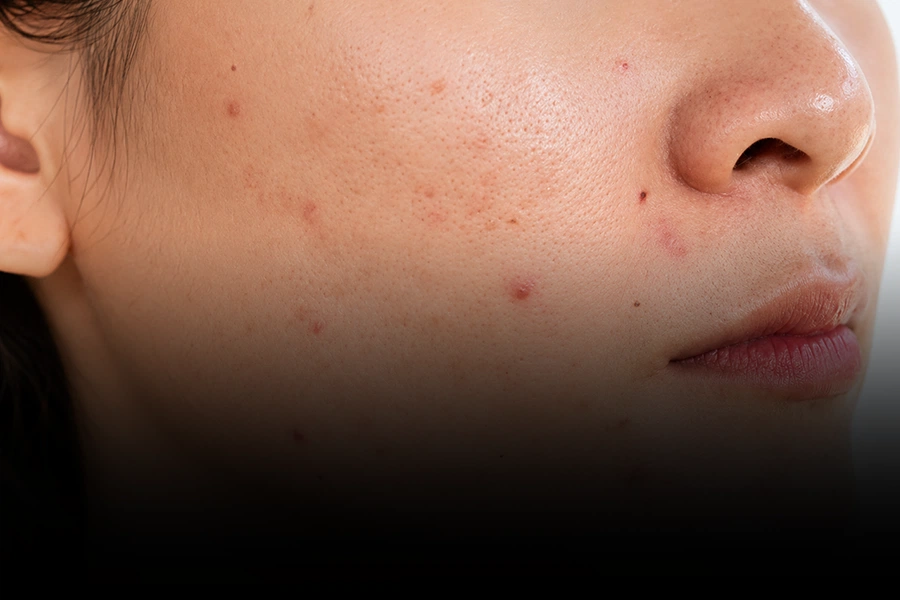
One of the most common skin types is oily skin, and some natural oil is necessary for healthy skin. And too much of it can quickly become a breeding ground for breakouts. If you’re wondering why oily skin can cause breakouts more than other skin types, the answer lies in how oil interacts with dead skin, bacteria, and also pore function. Oily skin is when the sebaceous glands produce more sebum which is necessary to lubricate the skin. People with oily skin usually have big pores. They are prone to whiteheads and blackheads and coarse or thick skin. But it is good to know that oily skin is not a bad thing. But the natural oils in our skin are fats and are important for maintaining and protecting the health of the skin. Sebum production can assist in maintaining a more youthful appearance as the skin ages. With increasing age of skin, the secretion of sebum diminishes, resulting in drier skin and wrinkling. However, excess sebum production can lead to several problems like breakouts, clogged pores, and a rough, bumpy texture. If you are suffering from skin problems due to excess production of sebum, then you should consult a dermatologist, and they may suggest treatments like Isotroin 20 mg Capsule and Saferet 30 mg for better management of oily and acne-prone skin. If you know and respect your skin’s individual needs, you can have a big impact on its health and beauty.
What are clogged pores and breakouts?
Dead skin cells, dirt and excess oil getting trapped in the tiny openings of the skin cause clogged pores. This plug can trap impurities inside and cause bumps such as whiteheads, blackheads or pimples. These holes in your skin allow glands to release oil and sweat. Blocked pores can lead to acne. However, they can occur anywhere on your body, including neck, scalp, shoulder, back, and chest. A breakout is most commonly a sudden skin eruption like acne, and forceful escape from prison, or a sudden major success.
Causes of acne and clogged pores
Every pore on the skin contains a sebaceous gland that produces sebum and natural oil that keeps your skin hydrated and protected. These glands are more active in people with oily skin and they produce oil at a faster rate than the skin actually requires. This can lead to clogged pores and breakouts. The excess oil combines with dead skin cells that aren’t properly sloughed off, resulting in a thick, sticky build-up inside the pore, creating an environment low in oxygen that allows acne bacteria to multiply and the pores to clog. This result leads to inflammation, whiteheads, blackheads, redness, or pimples associated with acne breakouts.
Common Causes of Excess Oil Production
The factors that drive excess oil production can help to explain why breakouts happen. Below are the most common contributors to excess oil production:
- Oily skin runs in families, with oil gland activity largely determined by genetic factors.
- Changes during puberty, stress, or the menstrual cycle can lead to an increase in oil production.
- In hot, humid weather, the skin produces more oil.
- Overwashing or using harsh products can strip the skin of this natural oil, causing the skin to produce excess oil to compensate.
- Depending on your diet (i.e. high in sugar or dairy), what you eat can influence oil production in some people.
Noticing these underlying triggers can help in choosing the right approach to manage oily skin more effectively.
Why is oily skin more prone to acne?
Here are some reasons why acne is more prone to oily skin: Oily skin has larger and more active pores. This means the pores can be deeper and trap oil, dirt and even dead skin more easily.
Since the oil turnover is faster and the sebum production is in excess, it can get clogged faster than on normal or dry skin.
When the bacteria grow on the oily skin especially favourable for acne-causing bacteria, which thrive in blocked and oxygen-poor pores.
The thicker texture of skin tends to have a thicker outer layer, which can make it harder for dead skin cells to shed naturally and contribute to blockages.
The above are factors that oily skin experiences more frequently and breakouts compared to those with drier skin types.
Prevention of clogged pores and breakouts
The prevention of clogged pores does not just mean removing the oil. The main goal is to manage oil production and keep pores clear. Some effective strategies include:
- Medication such as Isotroin 20 mg helps in treating severe acne conditions and also in treating severe forms of nodular cystic acne.
- Saferet 30 mg may contain isotretinoin as an active ingredient and may help in treating acne by shrinking your oil glands and normalizing the skin shedding inside pores.
- Washing the face too much and scrubbing too hard can trigger the skin to produce even more oil.
- Choosing the product labeled “non-comedogenic” reduces the risk of pore blockage from skincare or makeup.
- Not using the moisturizer can lead to dehydrated skin and may trigger more oil production as a result.
- Also, oil-absorbing face sheets can help to manage shine without disrupting the skin’s natural balance.
Best ways to prevent Oily Skin and Clogged Pores
While choosing products for oily skin, remember to look for formulas designed specifically to balance oil production and keep pores clear. These are some types and product types include:
- Oil-free mattifying moisturizers
- Foaming or gel cleansers with benzoyl peroxide and salicylic acid
- Non-comedogenic sunscreens, lightweight
- For occasional deep cleansing, clay-based masks
- Have toners with gentle exfoliating acids and also used in moderation to avoid over-drying
Conclusion
Clogged pores and oily skin go hand in hand, but knowing and managing them can happen much more easily. Combined with dead skin cells and excess oil production, bacteria create the perfect condition for clogged pores and breakouts. The better news is that with a consistent, well-chosen skincare routine can have an awareness of personal triggers like stress, diet, or weather. If breakouts remain severe despite consistent care, consulting a dermatologist can help to identify medications such as Isotroin 20 mg and Saferet 30 mg for a more targeted treatment plan suited to your specific skin needs.
FAQs
1. Can washing the face too many times reduce oiliness?
It is not necessary every time because overwashing can strip the skin and trigger even more oil production.
2. How can oily skin cause more breakouts?
Sometimes, the oil mixes with the dead skin cells and bacteria, which can clog pores and lead to inflammation.
3. Can moisturizer be used on oily skin?
You can use moisturizer on oily skin because skipping moisturizer can dehydrate the skin and lead to increased oil production.
4. What ingredients can help acne and oily skin?
Non-comedogenic, Salicyclic acid, benzoyl peroxide, and lightweight products are generally effective.
5. What can be the diet that can affect oily skin and acne?
People with high-sugar or high-dairy diets may have an effect on increased oil production and breakouts.