
Oily skin gets blamed for everything. It is too shiny,too greasy and of course there are too many breakouts as well. Makeups fade. Sunscreen feels heavy. And then somewhere in your twenties or thirties, a different worry slowly joints the chat… fine lines. People spend years hearing that oily skin ages more slowly, then one day they see a fine line near the eyes or a crease around the mouth and suddenly they’re looking for answers online.
Many times we think about a simple question: “What does anti-aging even mean?” Anti-aging is usually discussed as if every skin type follows the same rules. It doesn’t. Oily skin behaves differently. Sometimes it protects itself better. Sometimes it creates a whole set of problems because the products marketed for mature skin are often too rich, too thick or just plain uncomfort.
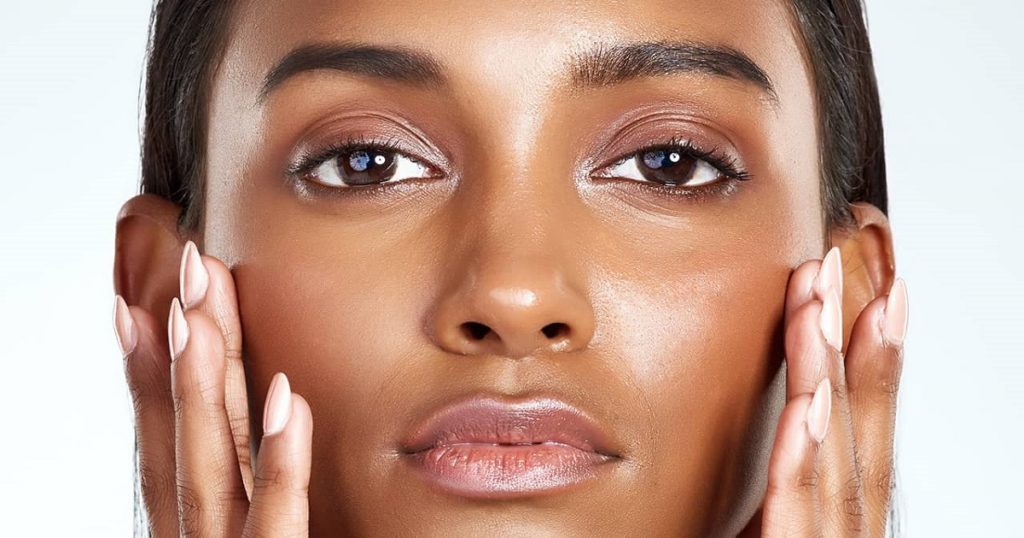
Oily skin isn’t exactly the enemy people think it is
There’s this strange belief that oily skin means it is unhealthy. It is completely wrong. Oily skin is caused by overactive sebaceous glands producing excess sebum that is often triggered by genetics, hormones or humid conditions. Sebum is the natural oil that your skin produces which helps to maintain moisture. This is one of the reasons why oily skin people notice fine lines quite later in comparison to dry skin people. Oil acts as a protective layer for the skin.
That doesn’t mean that wrinkles don’t happen. Sun exposure is still there. Stress is still an issue. Sleeping badly for years still shows up casually. Nobody escapes biology forever. The challenge is finding products that support aging skin without turning your face into oil slick by lunchtime.
The question everyone ends up asking
At some point, people keep asking, “What is the best anti-aging cream?” The answer is thwarting before there is no universal winner. Skincare companies would love for there to be one magical jar. Real life is messier.
Some oily skin types respond well to lightweight tretinoin creams like Trebor cream. Others prefer gels like Supatret 0.1% Gel. Some people can’t tolerate strong ingredients at all and end up doing better with a simple routine. The best product is often the one you can use consistently without breaking out. That sounds boring, but consistency usually beats intensity.
Those first little lines can feel personal
A tiny wrinkle can change the way someone sees themselves. Not because it looks bad. Because it shows up unexpectedly. You lean into a mirror one morning and say, “Wait was this there before?”
Then comes the search for how to get rid of wrinkles. The internet makes it sound so simple. Buy this. Apply that. Wake up younger. Like it’s an entertainment advertisement. Reality sits somewhere in the between. Fine lines can look softer with sunscreen, hydration and ingredients like tretinoin. Deep wrinkles are tougher. They usually improve gradually rather than improving overnight.
When does it actually make sense to start?
The phrase when to start using anti-aging skincare products comes up probably because everybody wants to start too early and nobody wants to wait till the last. Most dermatologists lean towards prevention rather than repair. That means sunscreen in your teens or twenties and active ingredients whenever your skin can tolerate it.
The funny thing is that many people are already overdoing the skincare thing without even consultation. Using sunscreen daily? Great..Keeping yourself hydrated? Perfect..Avoiding excessive tanning? This might be the best thing that you have been doing. You don’t have to wake up at your thirtieth birthday and realise that you need to start all over.
Oily skin and heavy cream rarely get along
This is where things become annoying. Many wrinkle-focused creams feel dry to the skin. Rich textures. Thick butters. Heavy occlusives. Oily skin often responds by producing more shine. That’s why people often search for an anti-aging cream for oily skin rather than a generic moisturizer.
A lighter formulation tends to feel more comfortable. Gel-creams, oil-free moisturizers, and non-comedogenic formulas usually fit oily skin better. Comfort matters more than people admit. If a product feels awful, chances are it ends up forgotten in a bathroom cabinet after three weeks.
The ingredient conversation gets complicated
Retinols or tretinoins get mentioned everywhere. Vitamin C gets mentioned everywhere too. Peptides show up. Nicinamide appears. Hyaluronic acid also somehow ends up in every conversation. And none of these ingredients are actually a bad choice. But sometimes people get trapped in the ingredient collection. We get into the confusion: “How to choose anti-aging products?”
One serum, then another, then a cream, then an essence and lastly a toner. Before long there are more than 12 products on the shelf and you are even confused about what is happening. Anti-aging routines often become more effective when they are simpler. A few proven ingredients used consistently usually outperform a complicated routine that changes every month.
What about serums?
People ask which is the best anti-age serum almost as often as they ask about creams. For oily skin, lightweight serums feel easier to use than the heavy moisturisers. Vitamin C serums can help with brightness. Retinol serums can be used for fine lines. Niacinamide can support oil control while helping overall skin appearance. The texture is nearly as much as the ingredient list. A fantastic serum that feels sticky enough to annoy you every day probably won’t stay in your routine very long.
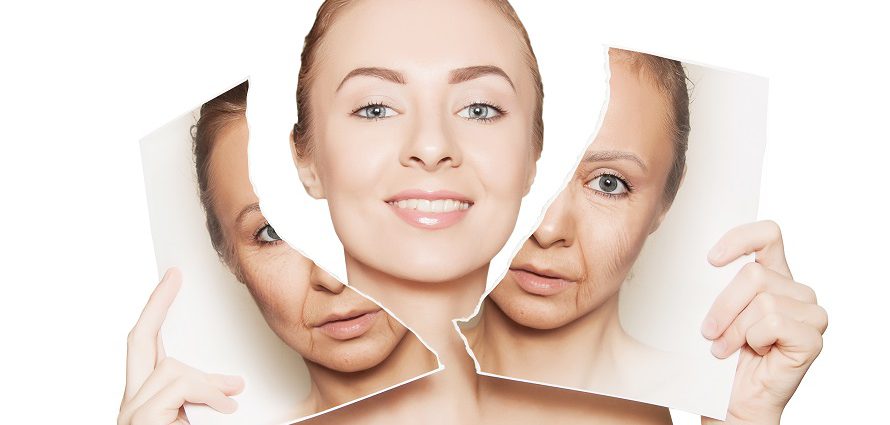
The wrinkle removal promise gets exaggerated
Search engines are filled with questions such as how to remove skin wrinkles on the face. Some brands make it sound like wrinkle marks can be erased like pencil marks. Skin changes gradually and improvements tend to happen gradually too.
Good skin care can soften the appearance of fine lines, wrinkles and help look healthier overall. That doesn’t mean every wrinkle disappears. And honestly, that doesn’t matter. The goal doesn’t always need to be looking twenty-one forever. Sometimes the goal is simply looking rested.
The products oily skin tends to appreciate
The phrase best anti-aging products for oily skin gets attention for a reason. People with oily skin usually need products that balance performance with comfort. Lightweight tretinoins often work well. Gel-based moisturizers. Broad-spectrum sunscreen that doesn’t leave a greasy finish. Vitamin C formulas that absorb quickly. Nothing revolutionary there.
Just products that don’t make skin feel suffocated. There’s something oddly reassuring about a routine that feels effortless rather than dramatic.
The timing question comes up again and again
Every individual is concerned about when to start using anti-aging products. The answer depends a little on personal goals. Someone concerned mainly with prevention may start the product a slight earlier. Someone focused on visible signs may begin later.
Either way, sunscreen remains the closest thing skin care has to a universal recommendation. People often chase expensive solutions while ignoring daily sun protection. That’s a bit like fixing a leaking roof while leaving the window open during a storm.
Small habits make a large difference
A lot of conversations solely depend on the ingredients. That’s fair enough because products are tangible. But lifestyle is the one that can do the wonders. Sleep quality. Hydration matters. Smoking affects skin. Chronic skin exposure affects skin.
Anti-aging isn’t really about finding the miraculous product. It’s more about stacking small habits that would make a difference. I know it sounds less exciting than a miracle cream. But I can guarantee that it is more useful than any anti-aging product.
FAQs
1. Can tretinoin help with anti-aging?
Yes. Tretinoin is considered as a miraculous treatment for the treatment of aging.
2. What do dermatologists recommend for aging oily skin?
Dermatologists recommend to follow a consistent routine on daily sun protection, cellular turnover and hydration to protect your skin.
3. What are the four types of aging?
The four types of aging are chronological age, biological age, psychological age and social age.
4. Is sunscreen important for oily skin?
Absolutely. Sunscreen is important for both oily and dry skin as it can reduce the signs of aging.