
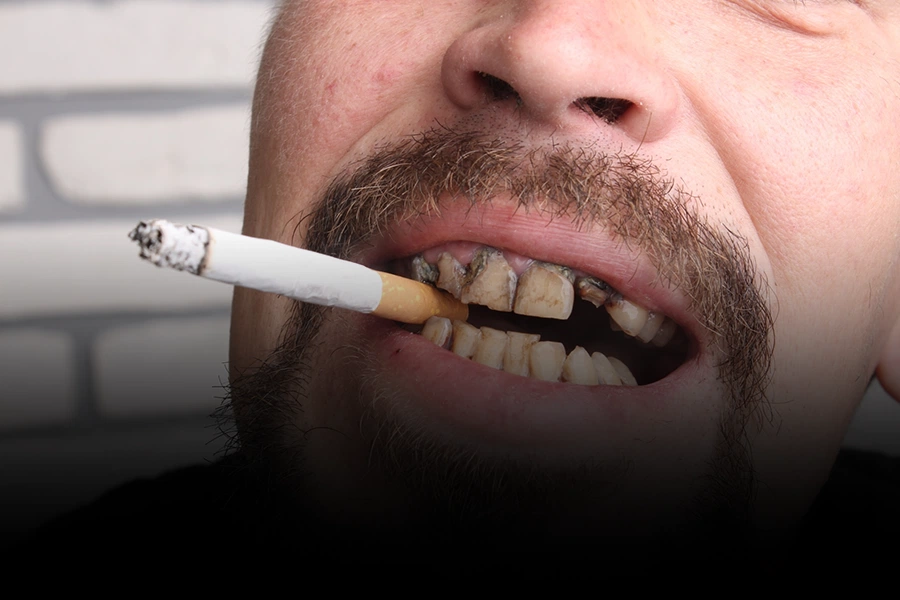
Most smokers know that smoking isn’t healthy. The warning labels are everywhere. People hear about lung cancer, cardiovascular diseases, breathing issues so often that the words almost lose their importance after a while. But what’s strange is how smoking damages the body long before serious symptoms occur.
Smoking is dangerous to health. It can harm nearly every organ in your body and increase the risk of certain health conditions. Quitting smoking can reverse most of the severe conditions. Let’s take a dig in and learn more about the real effects of smoking.
What is smoking?
Smoking is when you inhale and exhale smoke from burning plant material that’s rolled into a wrapper which is a cigarette. When you light the end of the cigarette and pull the smoke inside your body from the other end, thousands of toxic chemicals enter into the bloodstream. It travels down into your airways, your lungs, through your bloodstream into the brain and other organs.
It starts with lungs
When people think about smoking, they think about lungs first. Each puff introduces around thousands of chemicals into the lungs. Smoker’s lungs experience inflammation in the small airways and tissues of your lungs. Smoking is the leading cause of COPD. Around 80% to 90% of the cases of Chronic Obstructive Pulmonary Disorder are due to smoking. When you inhale smoke, thousands of harmful chemicals are exposed to your lungs. These chemicals damage your lungs by destroying alveoli, inflaming airways and paralyzing cilia (small, hair-like structures that normally sweep mucus and debris out of the lungs).
Corticosteroid inhalers such as Maxiflo Inhaler can be used for the treatment of COPD and asthma.
The next stop is Heart
Smoking and heart diseases are quite interdependent. Tobacco use is the leading preventable cause of cardiovascular disease. Smoking multiplies the risk of heart attacks and strokes by 2 to 4 times and significantly raises mortality rates. Smoking raises blood pressure and puts pressure on your heart. Over time, stress weakens the heart, reducing its power to pump blood to the body parts. It also increases the cholesterol and unhealthy fats accumulation in the blood vessels. Due to this accumulation, the arteries narrows and blocks normal blood flow to the body parts. Blocked blood flow to the heart or pain can lead to cardiac arrest or stroke.
Smoking also thickens your blood and is sticky. Sticky blood consists of blood clots that block blood flow. Over time, thick, sticky blood damages the blood vessels and increases the risk of cardiac arrest or stroke.
Cancer can be an issue too
Many people know that smoking causes cancer and still they do not stop smoking. Poisons in cigarettes weaken the body’s immune system, making it difficult for the body to kill cancer cells. This is the reason cancer cells keep growing without being stopped. Smoking can cause cancer in almost every body part including blood, gall bladder, cervix, colon and rectum, esophagus, liver, lungs, pharynx, larynx, mouth, throat, stomach and pancreas.
According to research, in the United States lung cancer is the leading cause of cancer in men and women. Cigarette smoking or secondhand smoke exposure causes nearly 9 out of 10 lung cancer deaths. Quitting smoking at any age significantly reduces the risk of developing and dying from cancer.
Impact on reproductive health
Smoking damages reproductive health in both men and women. Erectile dysfunction is recurrent inability to achieve or maintain an erection sufficient for satisfactory sexual performance. Cigarette smoking can lead to cardiovascular dysfunction and is now an independent risk factor for the development of erectile dysfunction. The chemicals in traditional cigarettes and vapes constrict blood vessels and damage arteries and thus there is less flow of blood to the penis. Smoking can also interfere with testosterone levels which are critical for sex drive and erectile function.Medications such as Vidalists 20 mg can be used for erectile dysfunction.
Cigarette smoke comprises a complex blend of substances that may have combined impacts on different components of reproductive health. Smokers are 60% more prevalent to infertility analogized to non-smokers. It impairs female reproductive health by accelerating egg loss, reducing egg quality and decreasing estrogen levels. It causes menopause and doubles the risk of infertility, ectopic pregnancies, miscarriages and fetal abnormalities.
Hairline slowly declines
Alopecia (hair loss) is a common chief complaint of patients presenting to their dermatologist’s. Smoking accelerates hair loss and premature greying. Ambient smoke exposure results in nicotine accumulation in the hair follicles and the hair shaft. Smoking is associated with negative effects on hair health.
Smoking may also cause oxidative stress and reduced blood flow to the hair follicles which can contribute to hair loss. Oxidative stress occurs when there’s an excessive amount of free radical activity in the body. The medication option for hair loss is Hair joy foam. Hair joy foam is a dermatologist solution that is responsible for hair growth and stop pattern hair loss. It consists of Minoxidil as an active ingredient.
Secondhand smoke affects too
Secondhand smoke is the inhalation of tobacco smoke by the people standing nearby. It is a dangerous combination of the smoke exhaled by a smoker and the smoke emitted from the burning end of a cigarette, pipe, etc. Exposure to secondhand smoke can increase the risk of:
- Lung cancer
- Cardiovascular diseases
- Asthma attacks
- Respiratory infections
- Sudden Infant Death Syndrome (SIDS) in babies
Children living with smokers are especially vulnerable to dangers of smoking as they’re lungs are still developing.
What happens when you quit smoking?
One of the most encouraging facts about smoking cessation is that the body begins healing almost immediately. Few of the things that you can notice after quitting smoking are:
- After 20 minutes: Heart rate and blood pressure begins to drop
- After 24 hours: Carbon monoxide levels returns to normal
- After 2-12 weeks: Blood circulation improves
- After 1-9 months: There is decrease in coughing and shortness of breath
- After 1 year: Risk of cardiovascular disease has reduced to half than the one that is faced by smoker
- After 5-10 years: There is decrease in risk of stroke
- After 10 years: The risk of dying by lung cancer reduces by 50%
No matter how long someone has smoked, quitting smoking can give meaningful health benefits.
Final Thoughts
Smoking is far more than a lung problem. It silently damages the heart, blood vessels, reproductive system, immune system and even hair follicles. Most of this damage develops gradually, often without unnoticeable symptoms until serious health complications arise.
The sooner a person quits smoking, the greater opportunity it gives to the body to repair itself. Whether you’ve been smoking for a few years or several decades, stopping today can improve your health, reduce disease risk, and increase your chances of living a longer, healthier life.Every cigarette avoided is a step toward recovery.
FAQs
1. What are the effects of smoking on health?
Smoking harms nearly all the organs of the body, increasing the risk of premature death, cancer, cardiovascular diseases and respiratory issues.
2. Is 1 cigarette a day harmful?
Yes. Smoking just 1 cigarette a day is also harmful. According to research, there are no safe levels of smoking.
3. How does smoking affect cardiovascular health?
Smoking damages the cardiovascular system by raising blood pressure, increasing blood clot risks and depriving the body of oxygen.
4. Which organ is most affected by smoking?
Lungs are affected the most by smoking as they are in direct contact with toxic smoke