
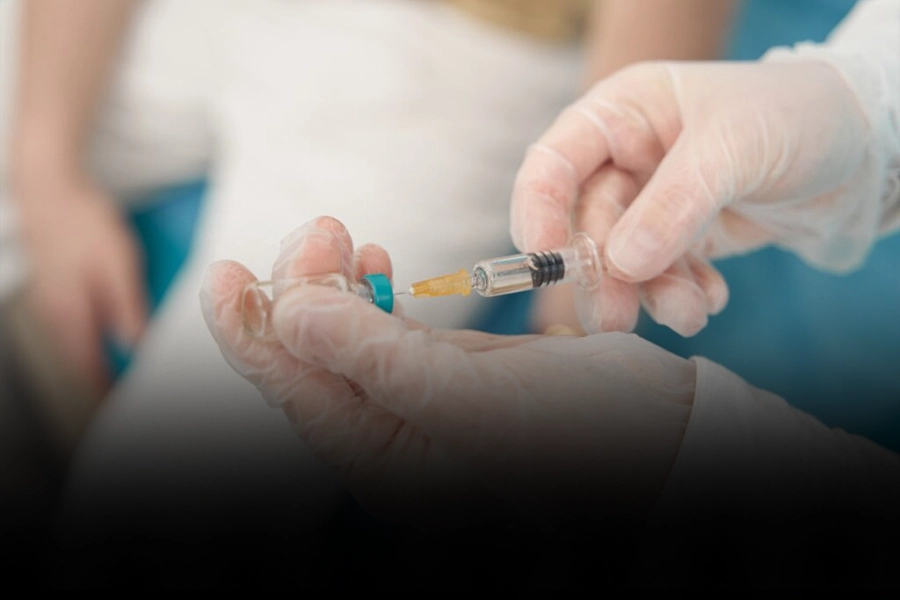
Erectile Dysfunction (ED) is a debilitating condition that affects millions of men, even today. There are a myriad of treatment options available including oral medications, penile injections, surgery, and others. Typically, the first line of defence are oral medications i.e., Viagra, Cialis, Stendra; but it appears to be that they’re not always effective. It’s seen that men with diabetes, vascular disease, or nerve damage don’t experience the optimum effectiveness from the oral drugs.
This is why it becomes important to know about Injection therapy for erectile dysfunction. It’s quite often seen as some kind of last resort treatment option but it is, in reality, quite a well established and clinically proven alternative. When oral drugs seem to fall short, injection therapy for erectile dysfunction, while not a miracle cure, can provide reliable outcomes which improve one’s sexual experience and well-being.
This article goes through penile injections, and answers questions on how to administer them, when to take them, risk factors, and other things to consider.
Why do ED pills fail sometimes?
This question will help us understand why injection therapy for erectile dysfunction just might be your answer to a better sexual well-being.
Drugs like Sildenafil, which is popularly known as Viagra, improve the nitric oxide pathway by blocking phosphodiesterase type 5 (PDE5), and ultimately increase the blood flow to the penis which results in a successful erection. For this process to work, one needs an adequately functioning vascular and neuronal communication, which does not take place in every single individual.
Individuals who are recovering from prostate surgery, have some significant cardiovascular disease, or have an advanced diabetes may have a nerve supply or arterial inflow that doesn’t fully work. This may lead to some people thinking that a higher dosage might help them but it doesn’t prove to always be sufficient. This is when understanding the role of Alprostadil becomes important. While Sildenafil (Viagra) relies on stimulating an already damaged biological pathway, Alprostadil acts directly on the penile tissue.
Individuals seeking relief from the condition who want to bypass the biological pathway may go for an injection therapy for erectile dysfunction.
What is Injection Therapy for Erectile Dysfunction?
Injection therapy, also called Intracavernosal injection therapy, is when medicine is injected directly into the corpora cavernosa area of the penis using a tiny needle. While the idea may seem daunting, as is any procedure with needles, the technique is carefully taught under a doctor’s supervision and is medically standardized.
Alprostadil injection for ED, a synthetic form of prostaglandin E1, is the most common drug for ED. It functions by dilating penile arteries and directly relaxing smooth muscle, leading to a faster blood flow. Injection therapy for erectile dysfunction has proven to consistently produce erections in about 60% to 70% patients on whom it has been tried. Although there are numerous versions of this drug, the Caverject injection is a well-known brand.
The active ingredient in Caverject i.e., Alprostadil is able to act directly on the penile tissue itself and is able to produce an erection within 5 to 20 minutes. Caverject is particularly effective because it has proven to work in instances when oral medications have failed and unlike the latter, doesn’t require sexual stimulation.
What is Caverject Injection and what are its Benefits?
Caverject® (alprostadil) is a medication approved by the FDA, designed to assist men achieve and maintain an erection. Like every other injection therapy for erectile dysfunction, it is administered directly into the penis and delivers alprostadil straight to the erectile tissue, typically leading to a quick blood flow and relaxation of the penile arteries. Caverject has a proven record of being reliable while working quickly.
Benefits of the Caverject Injection
- Fast and Predictable results: Once it’s administered, Caverject usually produces an erection within 5 to 20 minutes and the individual doesn’t have to rely on sexual stimulation that pills require.
- Strong and Highly effective: As mentioned, 60% to 70% men report an effective erection. Additionally, many men also report firmer and a longer-lasting erection as compared to oral therapy. This is significant for people with severe ED.
- Good alternative to pills: Injection therapy for erectile dysfunction is a good second line of defence, it works on men who have had limited success to oral ED medications like Viagra and Tadalafil
- Targeted treatment: Caverject has a direct administration which gets the blood to flow directly into the corpora cavernosa i.e., the erectile chambers, without having to wait for the upstream processes to start working. Because of the direct administration, Caverject exhibits fewer systemic side effects as compared to oral medications.
- Future Potential: It’s reported that a long-term use of injection therapy can lead to better blood circulation within the penis
How to use Caverject Injections and Dosage considerations
Self-injection may seem daunting at first, but with proper guidance of a healthcare professional, it can become a powerful tool in your ED treatment.
The first injection should always be administered by your doctor who will then provide you with proper instructions and show you the most appropriate technique.
Here are some general guidelines you can keep in mind before your doctor’s appointment:
- Always use a fresh, sterile needle and make sure you wipe the injection site with an alcohol swab.
- Make sure to avoid the veins so as to not puncture them and bear in mind that you don’t want to go too far in, entering the corpora cavernosa is the goal.
- Compress the injection site and discard any leftover mixture and the syringes.
Make sure that you’re not using any bent needles since the needles used for penile injections are typically superfine. Keep in mind that these are just some basic guidelines, always make sure that you’re strictly listening to your doctor’s instructions.
Dosage
What would be an appropriate dosage if you’re just beginning? Like most medications, you will typically start from a low dose.
Caverject dosages can vary from 2.5 to 40 micrograms (mcg) each dose. Alprostadil in single-use vials typically contains 20 or 40 micrograms, which should be administered no more than three times each week.
Based on the cause of severity of your ED, your healthcare professional will recommend a dosage.
Common side-effects and Risk factors of Caverject
Naturally, side effects are a risk with every other medical treatment and Caverject is no exception to that, it comes with its own considerations.
Some possible side effects to consider with Caverject are:
- Mild discomfort or penile pain
- Temporary bleeding or bruising at or around the injection site
- Skin rash near the injection site
- Temporary irritation, swelling, itching of the penis
- Dizziness (due to low blood pressure)
- Allergic reaction
The most common side effect reported has been penile pain or mild discomfort and most of these are manageable or avoidable if the injections are administered with a proper technique and the injection site is routinely rotated around.
Some risk factors to consider are:
- Priapism: In some rare cases, Caverject may lead to priapism, which is when an erection lasts for a prolonged period of time without any stimulation. To treat it, try using an ice pack on your penis. It may also help to take a decongestant that contains phenylephrine. However, get medical help right away if the erection lasts more than four hours.
- Penile fibrosis: If the injections aren’t rotated properly, a scar tissue may form in the penis.
While these risks are uncommon, they serve as a reminder of the need for proper dosage and expert advice. Always pay great attention to what your doctor says.
Final thoughts
While ED is a widespread condition, there are plenty of treatments that make sure you don’t have to live with it forever, penile injections are one of those.
Caverject injection therapy offers reliable outcomes when other first-line treatment options don’t work. With a rapid onset, proven effectiveness, and customisable dosing, it serves to be a prime treatment option. Of course, it comes with its own side effects that one should look into before starting their treatment plan.
Visit your doctor today to know the underlying issues of your ED and they will help you figure out the best possible treatment plan for you because an effective treatment isn’t just a luxury, it’s your right.
FAQs
1. Who should not use Caverject?
Men who are prone to priapism, have certain blood illnesses (like sickle cell anemia), or have penile structural anomalies (like extreme curvature) may not be suitable candidates for Caverject. It is also not suitable for men who are urged not to engage in sexual activity because of the risk to their cardiovascular health. Before beginning injection therapy for erectile dysfunction, a thorough medical examination is necessary to guarantee your safety
2. Can Caverject be used long-term?
Under medical supervision, Caverject is used by several men as a long-term treatment plan for severe ED. However, to decrease the risk of fibrosis (formation of scar tissue), appropriate technique, site rotation, and dose control are essential. Injection therapy for erectile dysfunction can be kept safe and effective with the help of a medical professional.
3. Is Caverject painful to inject?
Due to intracavernosal injection therapy using a very small needle, most men feel only minor discomfort. Anxiety at first is normal, but with the right guidance, the procedure becomes second nature.
4. What happens if the erection lasts too long?
Medical treatment is necessary if an erection lasts more than four hours. This is a known risk of injectable therapy for erectile dysfunction, however it is rare with the appropriate dosage. Before providing Caverject, doctors usually start with the lowest effective dose to reduce this risk and give explicit emergency instructions.