
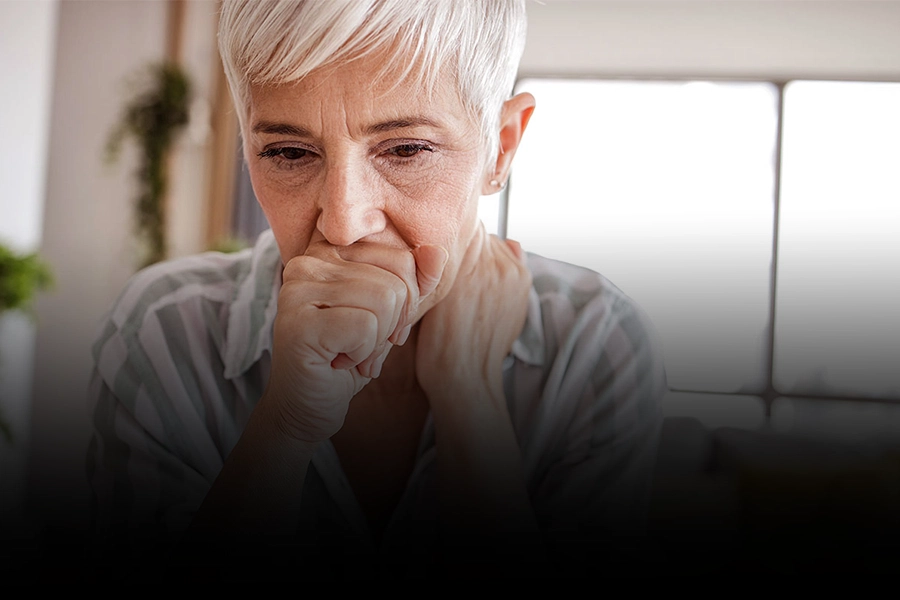
If you or somebody you love lives with Chronic Obstructive Pulmonary Disorder (COPD), you are probably familiar with the night routine. The day might go quite well,but the moment your head hits the pillow, everything changes. Coughing starts, your chest feels tight and getting a full, deep breath feels like an uphill battle. And then you keep thinking, “Why does COPD gets worse at night?”
It is incredibly frustrating to feel like your own body is fighting sleep, but you aren’t imagining things. Nocturnal worsening of COPD is a real, scientifically proven phenomenon.
Why does COPD get worse at night?
It is easy to blame a bad night on “just having a rough day”, but the worsening of COPD at night is actually driven by a perfect storm of biological changes and physical mechanics.
- Gravity and posture
When you stand or sit upright during the day, gravity helps keep your abdominal organs down leaving plenty of room for your lungs to expand. The moment you lie down, the abdominal organs shift upward against your diaphragm. For hyperinflated COPD lungs, this extra pressure makes it significantly harder to pull the air which leads to a suffocating sensation called orthopnea.
- Natural circadian rhythms
The normal human body runs on a circadian cycle which is 24 hours. Some of the hourly shifts work naturally against your respiratory system at night. Levels of the hormones like cortisol and epinephrine which keep your airways open naturally, these hormone levels drop to lower while sleeping. Natural breathing becomes shallower and slower during deep sleep which builds up carbon dioxide in the lungs. These nighttime biological changes are one of the major reasons COPD gets worse at night even when symptoms appear stable during the daytime.
- The GERD connection
Gastrointestinal Reflux Disease(GERD) is extremely common in people with COPD. When you lie flat, stomach acid can travel easily up to the oesophagus. If even a tiny droplet of the acid gets into the airway, it triggers a severe defense mechanism: your airways instantly spasm and tighten up causing wheezing and coughing.
COPD symptoms at night
Patients with COPD and night-time symptoms experience a range of changes in sleep architecture. Understanding why COPD gets worse can help patients recognize warning signs early and take steps to improve nighttime breathing. Few of the COPD symptoms seen at night are:
- Shortness of breath
- Coughing and phlegm
- Wheezing and chest tightness
- Nighttime awakenings
- Poor quality of sleep
For some individuals, symptoms become severe enough to wake them multiple times throughout the sleep.
COPD Nighttime Coughing Relief
Finding COPD Nighttime Coughing Relief starts with identifying the cause. Sometimes mucus buildup is one of the reasons for COPD. Other times dry air, acid reflux or airway irritation may be contributing factors. Understanding why COPD gets worse at night can help people recognize warning signs early and take steps to improve nighttime breathing. Some of the strategies to reduce COPD Nighttime coughing are:
- Stay hydrated throughout the day
- Use medications if prescribed
- Elevate your head while sleeping
- Reduce exposure to dust and allergens
- Avoid smoking before bedtime
- Address underlying acid reflux
These steps might not completely eliminate coughing but it can reduce its severity and frequency.
For some individuals, healthcare providers may prescribe combination inhalers that contain more than one active ingredient. Bronchodilator combination inhalers are generally inhalers or inhalation devices that contain one or more bronchodilators, or a bronchodilator and a steroid. When used consistently as directed, these inhalers may help reduce nighttime coughing, wheezing and episodes of breathlessness.
Sleep apnea can make things worse
Some of the people that are facing COPD also deal with sleep apnea. Obstructive sleep apnea causes repeated pauses in breathing during sleep. When COPD and sleep apnea come together, breathing difficulties can worsen. Signs of sleep apnea are:
- Loud snoring
- Gasping during sleep
- Morning headaches
- Excessive daytime fatigue
- Frequent nighttime awakenings
Because the symptoms overlap, sleep apnea sometimes remains undiagnosed in COPD patients. When COPD and sleep apnea come together, breathing difficulties can worsen significantly, which is another reason COPD gets worse at night for some individuals. If nighttime breathing problems continue despite treatment, it might be worth discussing sleep apnea tests with your healthcare provider.
Anxiety and breathlessness often feed each other
Nighttime can be mentally challenging. During the day, distractions help keep your mind occupied. At night, everything becomes quiet. You can feel your breathing. Every cough feels louder. Every breath feels more important.
For many COPD patients, this increased awareness causes anxiety. Anxiety has a close connection with breathing and thus breathing gets worse due to anxiety and creates a cycle that is difficult to break. The symptoms are very real, but emotional stress can make them feel more overwhelming. Learning relaxation techniques may help some patients feel more in control before bedtime.
COPD Breathing exercises before bed
Simple breathing exercises can help to reduce stress and improve airflow before sleep. Many healthcare professionals recommend COPD Breathing exercises before bed as a nighttime routine. One of the most common techniques is pursed-lip breathing. This follows the simple steps like:
- Inhaling air slowly through the nose
- Purse your lips as if blowing a candle
- Exhale slowly through the pursed lips
This technique helps keep airways open for a longer time and improve the air movement. Diaphragmatic breathing can also be beneficial. By focusing on using the diaphragm rather than chest muscles, some patients find breathing feels more efficient and controlled. Even a few minutes of breathing exercises before bed can sometimes make falling asleep easier.
Common COPD Exacerbations triggers at night
Many people experience worsening symptoms because certain COPD exacerbations triggers at night go unnoticed. Identifying and reducing these triggers can make a significant difference in sleep quality and breathing comfort.
Some common nighttime triggers include:
- Exposure to cigarette smoke
- Dust mites in beddings and pillows
- Cold or dry air
- Pet dander in the bedroom
- Strong odour of cleaning products or perfumes
- Respiratory infections
- Gastrointestinal acid reflux
- Poor indoor and outdoor air quality
Keeping the sleeping environment clean and well-ventilated will help to reduce irritation and improve nighttime breathing.
Why can’t I breathe lying down with COPD?
Many patients ask, “Why can’t I breathe lying down with COPD?” The answer often involves a combination of lung mechanics and body position. When you lay flat:
- Diaphragm has less space to move
- Hyperinflated lungs struggle to expand properly
- Mucus may pool in the airways
- Acid reflux can become more common
- Blood flow shifts, increasing the workload on the lungs
These factors can create a feeling of breathlessness that improves when sitting upright or sleeping with the upper body elevated.
Conclusion
COPD gets worse at night and there are real psychological reasons after it. Changes in body position, natural circadian rhythm, acid reflux, sleep apnea and anxiety can all contribute to nighttime breathing difficulties. Understanding why COPD gets worse at night along with its symptoms allows caregivers and patients to take steps towards better sleep and improved breathing.
There are several practical steps that can help manage symptoms when COPD gets worse at night, including breathing exercises, avoiding triggers, following prescribed treatments, and maintaining a sleep-friendly environment. If symptoms continue to worsen or interfere with sleep regularly, speaking with healthcare professionals can help to prevent and create a more effective treatment plan.
FAQs
1. Why does COPD get worse at night?
COPD primarily worsens at night due to breathing mechanisms and respiratory drive that decreases during sleep.
2. What are the signs that COPD is worsening?
The signs that COPD is worsening are increased shortness of breath, coughing more phlegm than necessary, worsening cough and wheezing.
3. How is COPD diagnosed?
Few of the tests to get COPD diagnosed are sleep studies, overnight pulse oximetry, home sleep tests and arterial blood gas testing.
4. Can COPD cause death during sleep?
Death during sleep from COPD is uncommon but it can happen if oxygen levels drop dangerously low.