
Have you ever woken up with red, itchy and watery eyes? It can be alarming, especially when your eyes suddenly look pink or bloodshot. One of the main reasons for this is Conjunctivitis-also known as pink eyes. Although it is not a serious condition, it can be quite disturbing and troublesome to some of the people.
The good news is that most of the cases can be treated effectively and understanding the condition in a better way will help to prevent the spread of the infection. In this blog, we will explore what pink eye is, pink eye symptoms, treatment, prevention and eye medications guide
What is pink eye?
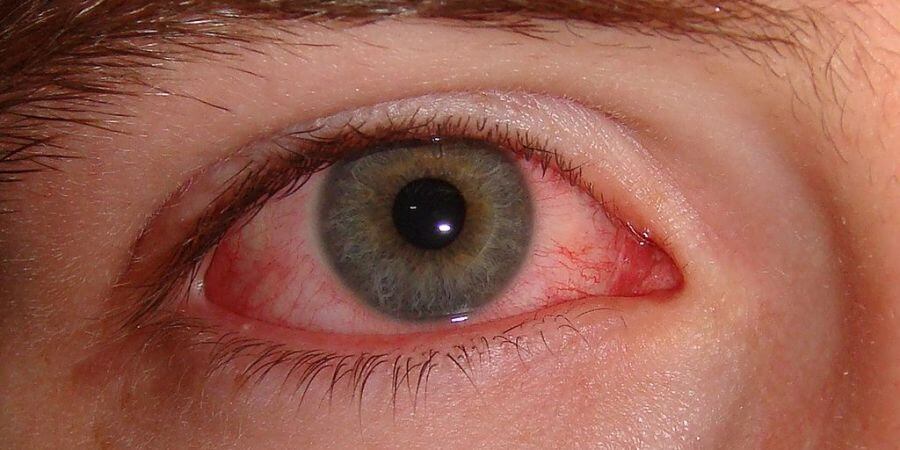
Pink eye is the infection of conjunctiva in the eye. Conjunctiva is the thin, clear membrane that covers the part of the eye and inside of your eyelid. Medically, it is called conjunctivitis. When small blood vessels in the eye become swollen and irritated, they’re more visible. It is usually caused due to viral infection. It can also be caused by bacterial infection or allergic reactions.
The infection can be acute or chronic and it can affect both eyes or one eye. Though pink eyes can be irritating, it rarely affects your vision. Acute pink eyes can last for fewer than four weeks. Chronic pink eyes last for more than four weeks.
What causes pink eyes?
Many people keep wondering, “How do you get a pink eye?” Let me give you an idea of that. The three main causes of pink eye (Conjunctivitis) are:
- Bacterial conjunctivitis
Bacterial conjunctivitis is caused by bacteria such as Staphylococcus aureus, Staphylococcus pneumoniae, etc. bacterial pink eye is highly contagious. It can spread through direct contact with infected individuals, contaminated surfaces or poor hygiene practices. Bacterial conjunctivitis can also be more due to overuse of contact lens.
- Viral conjunctivitis
Viral conjunctivitis is the most common type of pink eye, often caused by the same viruses that are responsible for common cold. It is highly contagious and typically spreads through direct contact with contaminated surfaces and individuals. They usually resolve on their own.
- Allergic conjunctivitis
Allergic conjunctivitis is the one that occurs when the eye is exposed to allergens such as pollens, dust, pet dander or molds. It affects both the eyes at the same time. Identifying and minimizing exposure to allergens is important to prevent flare-up of the condition.
Understanding the underlying cause is the first step in any effective eye medications guide, as treatments differ on the type of pink eye.
Less common causes of pink eye include irritants such as:
- Chemicals
- Contact lens
- Foreign bodies in the eye e.g. loose eyelash
- Fungi
- Amoeba and parasites
- Indoor and outdoor air pollution caused by smoke, dust, fumes or chemical vapours
Pink eye symptoms
The most common pink eye symptoms are:
- Redness
- Itchiness
- Thick eye discharge (yellow, white or green)
- Dry, watery, itchy eyes
- Burning sensation
- Blurred vision
- Swollen eyelids
- Eye pain
- Crusting on your eyelids or eyelashes
A good eye medications guide emphasizes that persistent symptoms should not be ignored, especially if vision changes occur.
Is pink eye contagious?
Not all pink eye infections are contagious. Bacterial and viral pink eye infections are highly contagious. Below is the time limit till which it can be contagious based on the type:
- Viral: Usually contagious for 7 to 14 days even after symptoms start to fade
- Bacterial: Can spread until 24-48 hours after using antibiotic eye drops for pink eye
- Allergic: Not contagious at all
The infection can spread through:
- Towels
- Shared pillowcases
- Makeup
- Contact lens
- Poor hand hygiene
Allergic and irritant conjunctivitis cannot spread from person to person.
How is pink eye diagnosed?
A healthcare provider may demand an eye examination to diagnose pink eye. Based on the symptoms, he or she can diagnose whether the inflammation is due to viral or bacterial infection. Few of the tests used by the eye specialists to diagnose are:
- Medical History
The ophthalmologist can rule out most of the causes of pink eye simply by asking a few questions.
- Slit lamp exam
Slit lamp examination is one of the common methods to diagnose conjunctivitis. A slit lamp is an instrument that consists of a high-energy beam of light and a microscope. During the examination, the ophthalmologist shines a beam of light into your eye, this allows the physician to examine the entire area of the eye.
- Visual acuity tests
Visual acuity test is the one where it is checked if the person can read letters from 20 feet away while covering one eye at a time.
- Eye culture
If you have been suffering with pink eye for more than two or three weeks and it has still not gone away, your ophthalmologist may suggest an eye culture. During this test, your physician takes a sample of the cells inside your eyelids with a cotton swab and then it is tested in a lab.
Pink eye treatment
Most of the time you can treat pink eye at home by following the instructions given by the ophthalmologist. Following an appropriate eye medications guide can help relieve symptoms and prevent complications. Let me give you few of the tips to manage symptoms at home:
- Use cold or warm compress
- Artificial tears
- Use glasses instead of contact lens until symptoms are persistent
- Use Over the counter lubricating products like Latoprost eye drops
- Wipe from the inner corner of the eye outward
- Avoid makeup until pinkeye is gone
- Do not share towels, pillows or washcloths while you have pinkeye
- Adequate hygiene
For bacterial infections, an eye medications guide often includes bacterial eye drops or ointments like Estocin 5 gm can be used. For allergic conjunctivitis, treatment options such as antihistamine eye drops, mast cell stabilizers, artificial tears and oral allergy medications. A comprehensive eye medications guide also recommends avoiding known allergens whenever possible.

How to prevent conjunctivitis?
Prevention starts with good hygiene and eye care habits. Few of the tips are:
- Wash your hands regularly
- Avoid rubbing your eyes
- Do not share cosmetics or towels
- Clean contact lens regularly
- Replace eye makeup daily
- Avoid close contact with infected individuals
Many recommendations found in an eye medications guide focus not only on treatment but also on preventing future infections.
Final Thoughts
Conjunctivitis, commonly known as pink eye, is one of the most common eye conditions worldwide. While it often appears alarming, most cases can be treated successfully with proper care and early intervention. Understanding the cause of the condition is essential because treatment differs between viral, bacterial, allergic, and irritant-related conjunctivitis.
A trusted eye medications guide can help patients understand their treatment options, manage symptoms effectively, and know when professional medical care is necessary. By practicing good hygiene, following treatment recommendations, and seeking prompt attention when needed, you can protect your eyes and maintain healthy vision.
FAQs
1. What is pink eye?
Pink eye is an inflammation of the transparent membrane that lines the eyelid and eyeball.
2. Can pink eyes come back?
Yes. Pink eyes can come back anytime. The most common type that has likelihood to occur again is allergic conjunctivitis.
3. What are the most common symptoms of pink eyes?
The most common symptoms of pink eyes are red, itching or watery eyes;sensitivity to light, blurry vision, etc.
4. What does an eye medications guide recommend for allergic conjunctivitis?
An eye medications guide generally recommends antihistamine eye drops, artificial tears, and avoiding allergy triggers.