
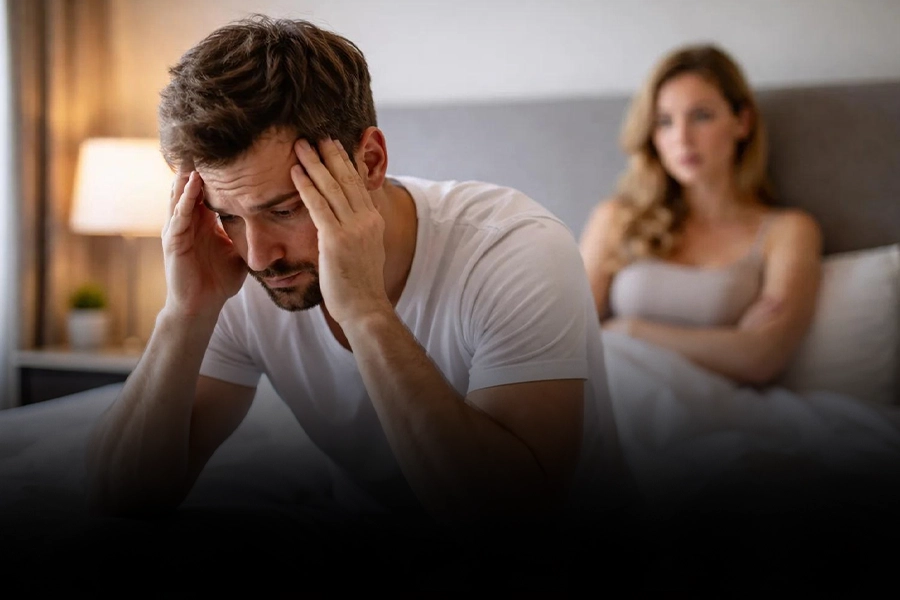
For many men, sexual performance sort of feels like it should be purely physical; either the whole thing works the way it is supposed to, or there’s something wrong with the body. But one of the most overlooked pieces behind sexual impotency isn’t even physical at all; it’s mental. Erectile dysfunction (ED) is a common condition that affects about 18 million American men over the age of 20. Stress has this well-known ability to mess with sexual function, and sometimes it does it in a really powerful way, and seeing that link clearly is a big deal if you want a well-rounded, informed approach to male sexual health.
The Mind-Body Link Nobody Talks About Enough
It’s tempting to think stress and sex are separate boxes, one mental, one physical, but the body doesn’t experience it like that. Sexual arousal is built on a coordinated response that runs through the brain, nervous system, hormones, and blood flow. Basically, all of it has to move together smoothly. Stress throws off a lot of that chain. This is why stress can cause impotency in ways that really catch men by surprise, because sexual impotency often isn’t a deep structural issue or a simple circulation problem at all. It’s the nervous system being stuck on perceived threats or pressure and not fully flipping the switches needed for arousal and performance.
What’s Actually Happening Physiologically
When someone is under stress, whether it’s job pressure, money fears, relationship strain, or just overall life being too much, the sympathetic nervous system turns on. Think fight or flight mode. In that moment the body tries to prioritize survival-related functions, so blood flow gets redirected toward muscles and away from processes the brain treats as “not essential” right now, which includes sexual arousal. On top of that, elevated cortisol and adrenaline, especially with chronic emotional stress, can start interfering with testosterone production over time. That then stacks the deck against both desire and performance. This physiological reality is key for understanding stress-related sexual issues like sexual impotency. The body isn’t “broken” or malfunctioning, it’s doing what it was designed to do under perceived threat, even if the threat is really just a deadline, not real physical danger.
When the Mind Gets in Its Own Way
Beyond the direct stress reaction, there are also psychological causes that can show up with ongoing stress, or sometimes because of it. Performance anxiety is a common example; once a man has even one rough experience, the worry about it repeating can become the trigger for the next episode. Then, you get this self-reinforcing pattern, which is often more psychological than physical at the start. And that’s what makes anxiety affecting sexual performance so annoying, because the act of worrying activates the same stress response that interferes with arousal in the first place. Then the “expected problem” feels more likely, and yeah, sexual impotency can become a loop.
Emotional Stress Doesn’t Stay in One Lane
Emotional stress rarely stays confined to one part of life. Relationship conflicts, unresolved grief, depression, or general emotional burnout can all seep into sexual health, sometimes in ways men don’t connect to what’s happening in the bedroom. Reduced sexual stamina is a frequent complaint when chronic emotional strain is in the background, because stress drains the mental focus and energy reserves needed to fully show up and enjoy sex. Realizing that a dip in stamina or performance might be tied to unresolved emotional stress, instead of straightforward physical decline, can change the entire way the issue is handled. It may shift attention toward stress management or counseling, alongside medical treatment, or even before it to manage sexual impotency.
Breaking the cycle: Find Out Root Causes
Sexual impotency is for body and mind both. Stress reduction methods like regular exercise, mindfulness practice, getting enough sleep, and honest communication with a partner about pressure or anxiety can reduce how often and how intensely stress-related performance problems get over time. For some men, especially those dealing with performance anxiety directly, working with a therapist who has experience in sexual health can help interrupt the anticipatory worry that keeps fueling the problem.
When Medication Becomes Part of the Conversation
For men who keep experiencing ongoing difficulty, whether sexual impotency seems stress related, physically driven, or a mix of both, ED medications are often mentioned as a supportive option while underlying stress and psychological factors are also addressed. Sildenafil-based medications, including products like Sildigra 100mg , fall into the PDE5 inhibitor category. They work by relaxing blood vessels and improving blood flow, so the physical erection process can move along once arousal shows up. Still, it helps to know these meds mainly target the physical circulatory part of sex. They don’t “repair” the deeper psychological stress triggers that may be part of the situation in the first place, so they usually work best as part of a larger approach for sexual impotency. If a product is offering way higher strengths, then it should only be used with a healthcare provider actually directing it, because taking more doesn’t automatically make it work better; it can also bump up the chance of side effects, like changes in blood pressure, vision weirdness, and cardiovascular strain, especially if a man already has heart issues or he’s taking nitrate medications.
Benefits and Uses of This Medication Class
The main advantages of PDE5 inhibitor meds such as Sildigra 250 mg Tablets are that they can be a dependable, on-demand option for men who talked through their specific health profile with a clinician and were told it fits their situation. In practice, they’re used not just for occasional, stress-related trouble but also for cases where cardiovascular factors are contributing, diabetes-linked nerve involvement is part of the picture, or age-related shifts in circulation are showing up. Still, they tend to work best alongside real steps to handle the emotional and lifestyle side of things, because the medication alone doesn’t magically fix chronic stress, relationship friction, or performance anxiety that’s sitting under the physical symptoms, even if it looks “just” like a body problem like sexual impotency.
Medical Support
Since there are so many possible causes behind sexual impotency (stress-activated, psychological, cardiovascular, or hormonal), a conversation with a healthcare provider really is the safest starting point before you pick any treatment route. A physician can help sort out whether stress and anxiety are the main drivers, whether there’s some physical condition that needs direct attention, and whether sildenafil tablets like Sildigra Gold 200 mg are appropriate, including what dose makes sense based on your personal medical background, your current meds, your cardiovascular risk factors, etc.
Summing Up
Sexual impotency that gets triggered or worsened by stress is more common than many men think, and it’s rarely proof that something is fundamentally wrong with a man’s body or his masculinity. When you understand the actual physiological connection between chronic stress, anxiety, and sexual performance, it becomes easier to see more complete solutions, where mind and body are addressed together rather than treating only the symptom. Whether the next step involves stress management, therapy, an appropriate medical plan, or some mix, the first move is using accurate information instead of guessing or letting shame take the steering wheel.
FAQs
1. Can stress alone cause sexual impotency without any underlying physical condition?
Yes. Chronic or acute stress can activate the body’s fight-or-flight response, which tends to redirect blood flow away from the processes needed for arousal, and over time it can also affect testosterone levels. These lead to impotency even without a separate physical cause.
2. How does performance anxiety worsen stress-related sexual problems?
After a man has trouble once, worrying it will happen again can itself trigger the same stress response that makes arousal harder. So, you get this self-reinforcing loop where anxiety about it makes it more likely to repeat.
3. Does Sildigra work for sexual impotency?
Yes, this can. This medication reduces sex issues. But this does not work on your stress or anxiety.
4. How do you use Sildigra tablets?
You take one tablet with water around 30 to 60 minutes before sex. You can use only one tablet within 24 hours.
5. What lifestyle changes help reduce stress-related sexual difficulties?
You do exercise daily. You need enough sleep and meditation daily to reduce stress. You create an open communication with your partner that helps your partner to understand your issues, and both can find out solutions.