

Your eyes work endlessly every day. Whether you’re scrolling through your phone, working on a computer, driving or reading, your vision plays an important role in all of these things. While regular check-ups and proper eye care are important, many people overlook one powerful factor that directly impacts eye health-nutrition.
There is a strong sentence that has been said by Hippocrates that states, “Let food be thy medicine and medicine be thy food.” Your eyes are what you eat. A well-balanced diet rich in antioxidants, vitamins, minerals that protect your vision, supports long-term eye health, and reduce the risk of age-related vision disorders. If you have been looking for practical tips & diet strategies to improve eye health you are at the right place.
Why does diet matter for eye health?
Diet matters for eye health because your eyes rely on tiny arteries and cells that require a steady stream of antioxidants and essential nutrients to function. A healthy diet for the eye can help get a clear vision, support retinal function, reduce eye fatigue, protect against age-related vision issues and promote overall eye wellness.
While no food can mysteriously restore your vision overnight, the right nutrition can significantly play an important role in maintaining healthy eyes throughout life.
Essential nutrients for healthy eyes
Below are few of the essential nutrients that play a significant role in maintaining healthy eyes:
Vitamin A: The Vision Vitamin
Vitamin A also known as retinols is required for the production of pigments of the retina in the eyes. It is a vital nutrient for the photoreceptors in your eyes which determine vision quality in low-light zones. Foods that are rich in Vitamin A are:
- Sweet Potatoes
- Carrots
- Spinach and leafy vegetables
- Beef liver
- Egg yolks
- Kale
- Mangoes & Cantaloupe
Many people ask what food to eat to improve eyesight naturally, vitamin A is often the first recommendation because of their direct role in improving vision.
Vitamin C
Vitamin C, ascorbic acid is a nutrient that is highly concentrated with antioxidants. It protects your eyes from cellular damage caused by light and free radicals. It helps in maintaining eye tissue health and reduces the risk of developing cataracts and age-related macular degeneration (AMD). Foods rich in Vitamin C are:
- Citrus fruits like Oranges, lemon, tangerines, grapefruits, etc
- Red and green bell peppers
- Strawberries
- Broccoli
- Brussel sprouts
- Papaya
- Kiwi
Vitamin E
Vitamin E is a group of tocopherols and tocotrienols. These compounds indirectly benefit eyes by protecting critical fatty acids from oxidation and free radical damage. It is a rare deficiency and if found the below foods can be beneficial:
- Nuts & seeds like hazelnuts,almonds and sunflower seeds
- Oils like sunflower, wheat germ and safflower oils
- Spinach
- Swiss chard
- Avocados
- Broccoli
Carotenoids
Carotenoids are the pigment compounds that give colour to most of the fruits and vegetables. They include lutein, zeaxanthin and meso-zeaxanthin. These antioxidants help filter harmful blue lights and protect the retina. Food sources for carotenoids are:
- Dark leafy green vegetables like spinach, kale, broccoli, green peas and collard greens
- Bright yellow and orange foods like corn, yellow/orange peppers and eggs
These nutrients are often considered the best food for eye health because they help to protect against age-related eye problems.
Omega-3 fatty acids
Omega-3 fatty acids support eye health by reducing inflammation and improving the oily layer of the tears. They also contribute to the structure of cell membranes and support visual function. They are highly recommended for dry eye symptoms and supporting retinal health. Foods rich in omega-3 fatty acids are:
- Salmon
- Sardines
- Chia seeds
- Mackerel
- Flax seeds
- Walnuts
- Oysters
- Cod liver oilMany eye specialists recommend combining proper tips & diet habits with routine eye examinations.
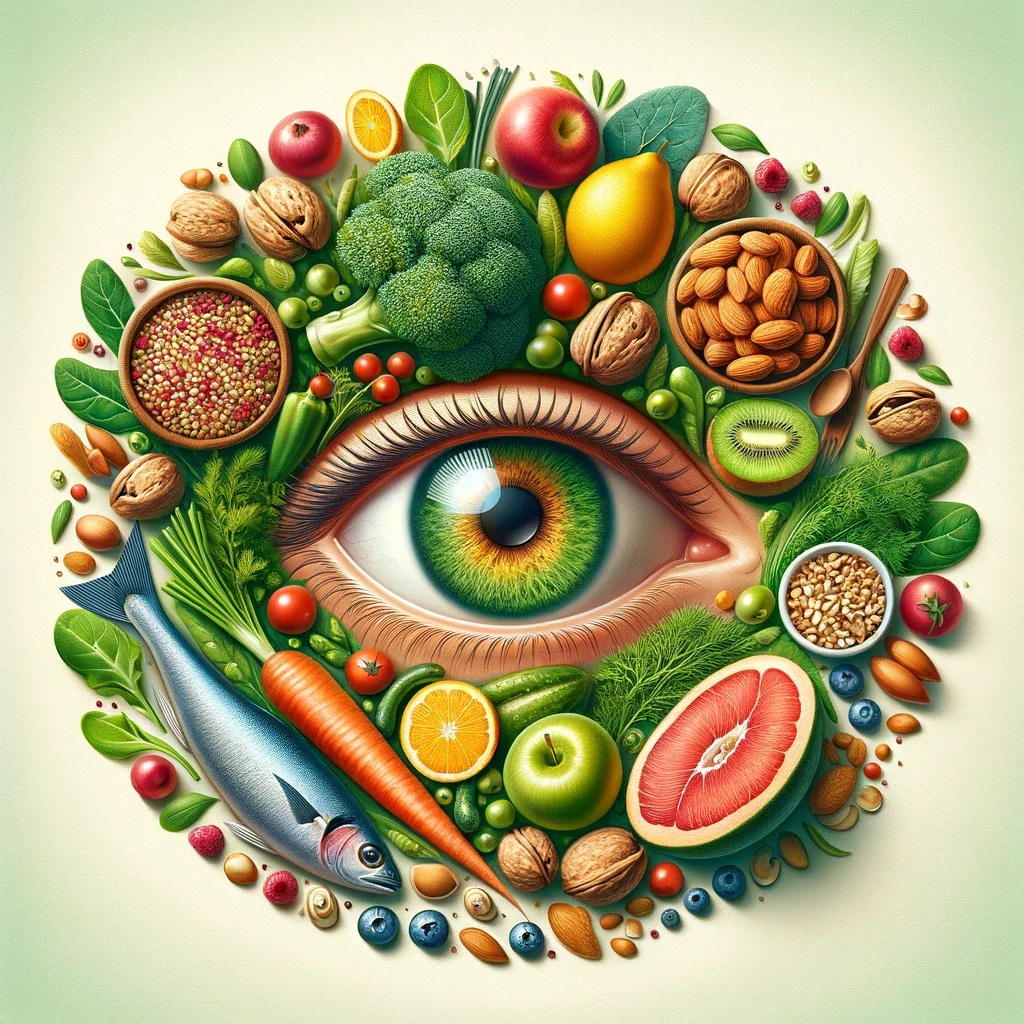
If you’re looking for the best food to improve your vision, one of the most important tips & diet recommendations is to increase antioxidant rich foods. Consider adding these nutrient-packed foods to your diet:
Carrots
Carrots are a rich source of beta-carotene which is converted into Vitamin A by the body. This nutrient is vital for maintaining clear corneas and producing rhodosporins, a pigment that helps you see in low light.
Green leafy vegetables
Green leafy vegetables are a nutritional powerhouse for vision. They are rich in lutein and zeaxanthin antioxidants that act as natural sunglasses. Few of the sources are kale, spinach, collard greens, etc. For maximum benefits, add a drizzle of olive oil, handful of nuts or avocado to your leafy vegetables for better absorption.
Fatty fishes
Fatty fishes are a high source of fatty acids which support retinal function and tear production. Regu;lar consumption can reduce the risk of age-related macular damage. Salmon, mackerel, tuna, sardines and trout provide a high quantity of Omega-3 fatty acids.
Citrus fruits
Citrus fruits are a high source of Vitamin C and antioxidants. Regular consumption of fruits like oranges, tangerines, lemons and grapefruits will help in maintaining the structural integrity of the eyes,support healthy blood vessels, etc.
Eggs
Eggs are excellent for eye health, specifically egg yolk. They offer a combination of lutein, zeaxanthin, and zinc. They are highly bioavailable and can be absorbed in the body easily. According to a study, moderate consumption of eggs can reduce the risk of developing late-stage AMD for over 15 years.
Foods that may heal eye function naturally
Many people search for ways to heal the eye naturally. Even though you cannot heal the eye with just food, certain nutrients can be a boon for overall visual function.
Focus on foods rich in:
- Antioxidants
- Omega-3 fatty acids
- Vitamin A, C and E
- Zinc
- Carotenoids
A nutrient-rich eating pattern can help reduce oxidative stress and support healthy eye tissues over time.
Sample eye vision improvement diet plan
Let me give you a gift of the diet plan that you can use for improvement of eye vision:
For breakfast, you can include vegetable omelet with spinach, whole grain toast and an orange. Mid-morning snacks can be a handful of nuts and seeds along with green tea. For lunch, you could have grilled salmon, mixed green leafy vegetable salad and brown rice. Evening snacks can be carrot sticks with hummus. Dinner can be lentil soup, steamed broccoli and sweet potatoes.
This simple eye vision improvement diet provides many nutrients that support healthy eyesight.
Can food improve eyesight?
Many people have a general question: Foods to reduce eyesight problems actually exist. While diet alone cannot reverse severe vision loss or eliminate the need for glasses, it can support eye function, slow age-related damage and help maintain healthy vision for longer.
The right healthy diet for eye health provides the nutrients your eye needs to perform at their best.
Final Thought
Vision is not only affected by genetics and eye care-it majorly depends on what you put on your plate. Following smart eating tips and guidelines and eating nutritious foods can promote healthy vision, protect your eyes from damage, and promote long-term vision health.
From leafy greens and fatty fish to citrus fruits and nuts, choosing the best foods to improve your vision can make a big difference in your overall eye health. Start choosing these tips & diet now to give your eyes the nutritional support they deserve.
FAQs
1. What are the tips & diets to improve eye health?
To protect your vision and support long term eye health, eat a diet rich in fruits, vegetables and omega-3 fatty acids.
2. What foods should I avoid for eye health?
Foods such as sugary drinks, processed meat, prepackaged food, bread, etc should be avoided for eye health.
3. What are the best vitamins for good eyesight?
The best vitamins for good eyesight are Vitamin A, C and E.
4. Are leaves good for eyesight?
Yes. The most effective leaves for eyesight are dark and green leafy vegetables like kale, spinach, etc.