
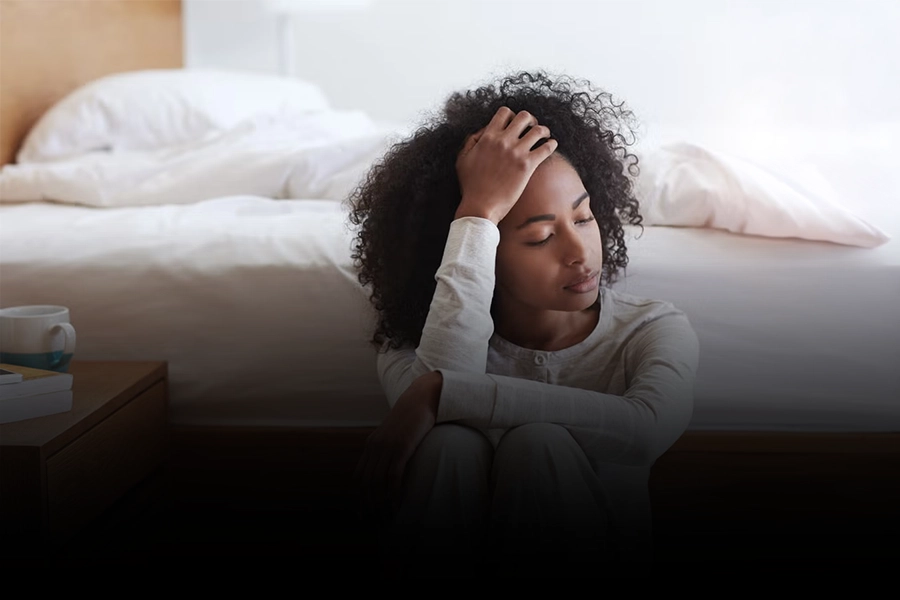
There are some days when you just have absolutely nothing left to give. You stare blankly at your screen trying to get your brain to work. Even after you do get through work and finish up all your responsibilities, that feeling of emptiness may not leave you, a happy companion at that point. You may smile through your conversations but still feel like you’re passively watching yourself have the conversation, like you’re not actually there.
This kind of exhaustion and passivity is not something that’s fixed by just a good night’s sleep. Your brain and body may need more than just sleep in this case. What you or other women around may be experiencing is emotional exhaustion.
Emotional exhaustion doesn’t exactly hit you like a freight train. In fact, it’s a pretty slow build that you don’t even notice until it has set in and started affecting your daily life. Women in general have a lot of social roles that they either take on or are pushed upon them. They have relationship stressors, caregiving responsibilities, and this implicit expectation to hold everything together. A mother is supposed to be the bond that keeps a house together, a wife is supposed to make compromises for the betterment of the relationship.
Being stressed once in a while is understandable and can happen to anyone, but being chronically stressed and then exhausted puts a huge strain on our mood, sleep and can even affect our emotional connection in relationships. This emotional exhaustion is not to be taken lightly. We’ll go deeper into this and examine the impact of stress on women’s intimate lives and how to improve their mental wellness.
What is Emotional exhaustion?
Emotional exhaustion is a mental state where an individual feels emotionally drained, overwhelmed, and isn’t able to cope with their chronic stressors. When someone faces an emotional burnout, emotional exhaustion is a core symptom that’s experienced. When the mental load that someone experiences stays persistent and they’re not able to adequately cope with it, then emotional exhaustion sets in.
It’s a state of mental and cognitive depletion that a person experiences due to prolonged stressors and responsibilities. Being temporarily tired because you’re at the end of your rope is understandable, but that’s just temporary fatigue. Emotional exhaustion makes a person feel constantly emotionally drained or disconnected and unable to cope with it.
A workplace study found that experiencing continued emotional stress that doesn’t go away can increasingly make someone feel tired, irritable, and anxious. Women are more susceptible to experiencing prolonged emotional stress because they’re often tasked with carrying visible and invisible labor that keeps others together.
Even beyond the workplace, which is stressful as is, they’re expected to carry out their caregiving and domestic responsibilities, which affects their personal relationships. The Stress in America survey done by the American Psychological Association (APA) in 2023 found that women reported higher stress levels than men. Along with the fact that women have added responsibilities, this could be due to the fact that women tend to internalize their stress more often than men do.
Research comparing both men and women found that while men externalize their mental and physical stressors and are prone to engage aggressively or impulsively, women tend to internalize their stressors. They function normally on the outside while feeling detached on the inside. Their physical connection and emotional intimacy in relationships may get compromised.
Signs of emotional exhaustion
Emotional exhaustion may sound fancy to some people, and they may think that they don’t actually experience it, but here are a few signs you can be on the lookout for. You may experience some signs and just think that you’re tired and probably need some rest. But if these symptoms continue to interfere with your daily routine, then it indicates something more severe.
You may feel constantly tired even after getting enough rest
- You may feel emotionally detached from things and feel numb
- You may experience mood swings and feel irritable
- There may be difficulty concentrating
- You may have less patience with other people
- There may be issues sleeping
- Headaches and muscle tension may become common
- You may experience more anxious thoughts and depressive symptoms
Increased and continued stress is related to increased cortisol levels, which can contribute to fatigue, interfere with your hormonal balance, and make your immune system weaker. Having cortisol levels that are chronically elevated in the body can lead to inflammation in the body, pain, and physical symptoms, which don’t have a direct medical cause.
If this is ignored for a longer time, then emotional exhaustion can also affect your workplace performance, social relations, and emotional state.
How to recover and manage emotional exhaustion
Articles on women’s wellness and relationship health all unanimously have said that just focusing on your short-term health and taking measures to momentarily feel better about yourself is not helpful in the long run. Emotional exhaustion doesn’t just go away, it has to be dealt with sustainably.
The modern world today has made it seem like rest is a luxury and that if you take a break, then you’re lazy. Women have an added pressure due to the social roles thrust upon them. If a mother doesn’t pick up her child from the school, then she is called a “bad” mother. If a woman takes any kind of break from her caregiving or domestic responsibilities, then she is called a lazy person. It’s important to put these thoughts aside and take breaks whenever is necessary. Being chronically sleep-deprived reduces our cognitive functioning and also affects our physical health.
While it is completely valid to establish your personal boundaries and learn to take time out for yourself, it’s important to have healthier support systems surrounding you. Healthy friendships and supportive relationships help by a lot during stressful periods. It may feel comfortable to self-isolate, but emotional isolation will only make the anxiety worse.
Adequate physical exercise and movement are one of the best ways to feel better naturally. Activities like walking, swimming, yoga, or strength training are the top candidates that help in releasing endorphins, improve sleep quality, and reduce the stress hormones in the body. Along with this, maintaining a proper diet is also key. Today, there are several supplements and gummies available in the market too.
Lastly, there’s another thing that’s typically mentioned in women’s intimate wellness support articles, and that is practicing mindfulness. Doing regular meditation, breathing exercises, journaling, and taking part in other mindful activities helps a lot in calming down the mind. Our minds have a tendency to run in rumination loops. Countless studies have shown that practicing meditation helps tons in regulating stress and anxiety symptoms. It’s the perfect activity to deal with emotional exhaustion.
Final Thoughts
Today’s world is pretty fast-paced and often demands more from humans than they can offer. Women bear the brunt of several expectations put upon them, those who are single mothers or have financial problems just have more stressors adding to the mix. In these situations, it’s very common and understandable to be emotionally drained. Having so many recipients chip away at someone’s emotional reservoir leaves close to nothing for themselves. Experiencing emotional exhaustion can severely affect an individual and their life.
This is why it’s so important to recognize the symptoms of emotional burnout. It’s more than just you being tired, and you need to be equipped with adequate ways to deal with it, like we discussed in the blog.
Understanding your symptoms and doing things to improve your emotional and physical states by using the techniques we have stated is the first step you can take to help yourself. One just has to make sure that their recovery is done in a sustainable fashion rather than something that’s too drastic. Always go for sustainable techniques and try to talk to your social support system. Emotional exhaustion is absolutely not something you should have to deal with alone.
FAQs
1. What can cause emotional exhaustion in women?
There are a lot of factors that can cause women to feel emotionally exhausted. Constant caregiving responsibilities, relationship strain, lack of sleep, and work pressure are just some of the things that can stress women out. Being stressed persistently is what leads to it mostly.
2. How can I deal with emotional burnout naturally?
Having a consistent sleep schedule, exercising regularly, and having a nutritious diet are all factors that can help a great deal.
3. Can emotional exhaustion affect my physical health?
Being chronically stressed will mostly always be transferred to your physical health. An individual may start experiencing constant headaches, digestive issues, weak immunity, or hormonal problems.
4. When should I seek professional help?
It may be best to seek professional help if the symptoms of emotional exhaustion persist for weeks on end and when they start interfering with your daily functioning. It’s also advisable to seek help if you start experiencing symptoms of anxiety or depression-like conditions